Q2 2026
Strategic Conditions
23.5 Institutional Review
Q2 2026Latest Report
Strategic Conditions: Q2 2026
In April, one of the largest technology companies in the world raised twenty-five billion dollars in the bond market to help fund a capital program it once paid for out of cash flow. The rating agencies noted the change. The equity market largely did not. That single transaction is the quarter in miniature: the artificial intelligence buildout has stopped being a story about technology and become a story about balance sheets, credit, power, and the physical economy.
Key Findings
- The AI capital cycle has become a credit event in formation. With 2026 buildout plans above seven hundred billion dollars and a rising share financed with debt, the earliest honest signal of trouble will appear in credit spreads and covenant behavior, not in equity narratives. Watch the debt.
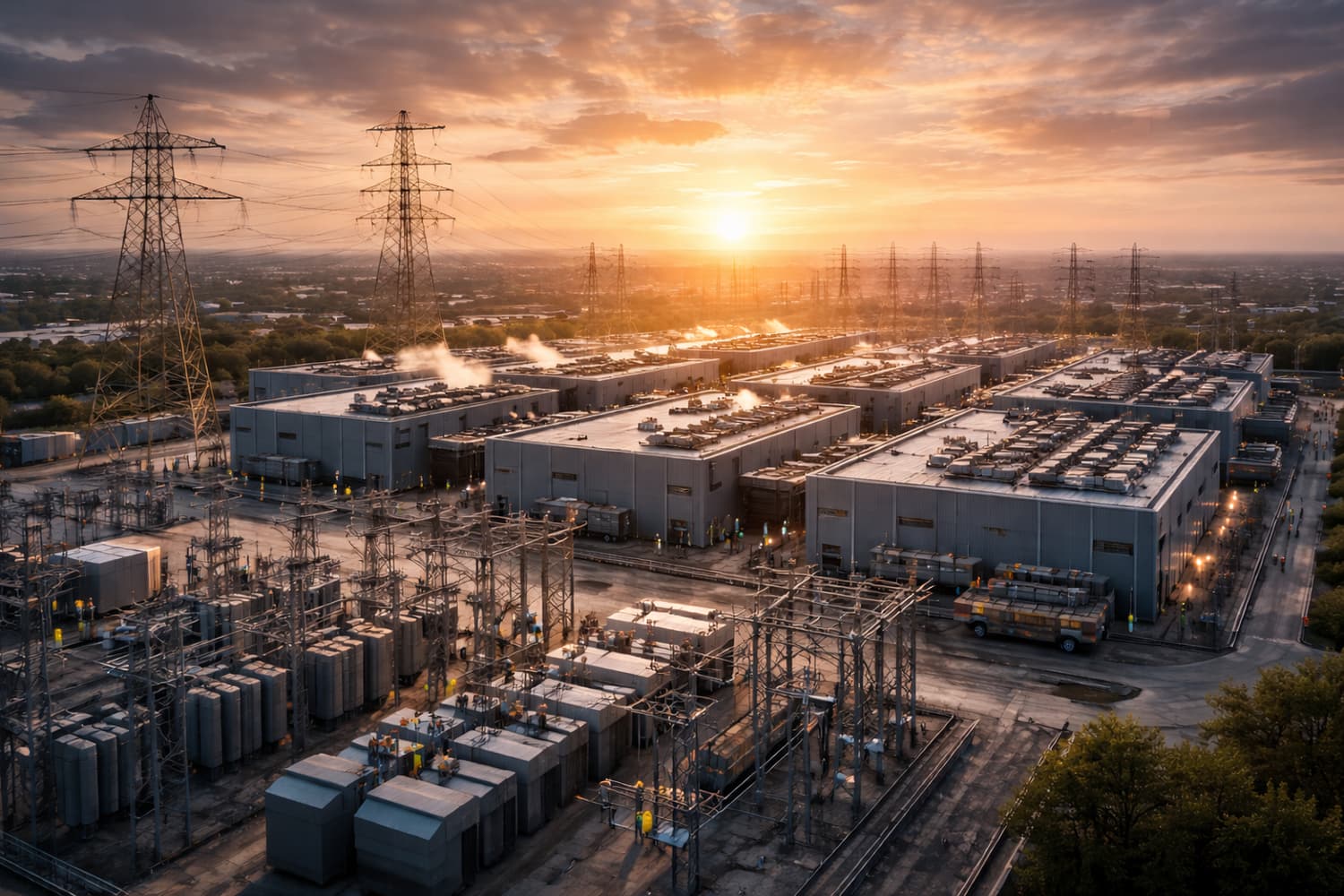
- Power is the binding constraint, and the value is migrating to the bottleneck. Generation capacity, interconnection positions, transformers, switchgear, gas infrastructure, and water rights now price the growth of the digital economy. Owners of those assets hold the leverage; renters of them hold the risk.
- Downstream energy equities are pricing peak margins as permanent. Refining cracks ran materially above the level the cost curve and inventories support through a full cycle. The gap between the tape and mid-cycle is the expectation burden an owner inherits at today's prices.
Energy & FuelsPower & InfrastructureChemicals & MaterialsIndustrials & ManufacturingLogistics & Supply Chain